
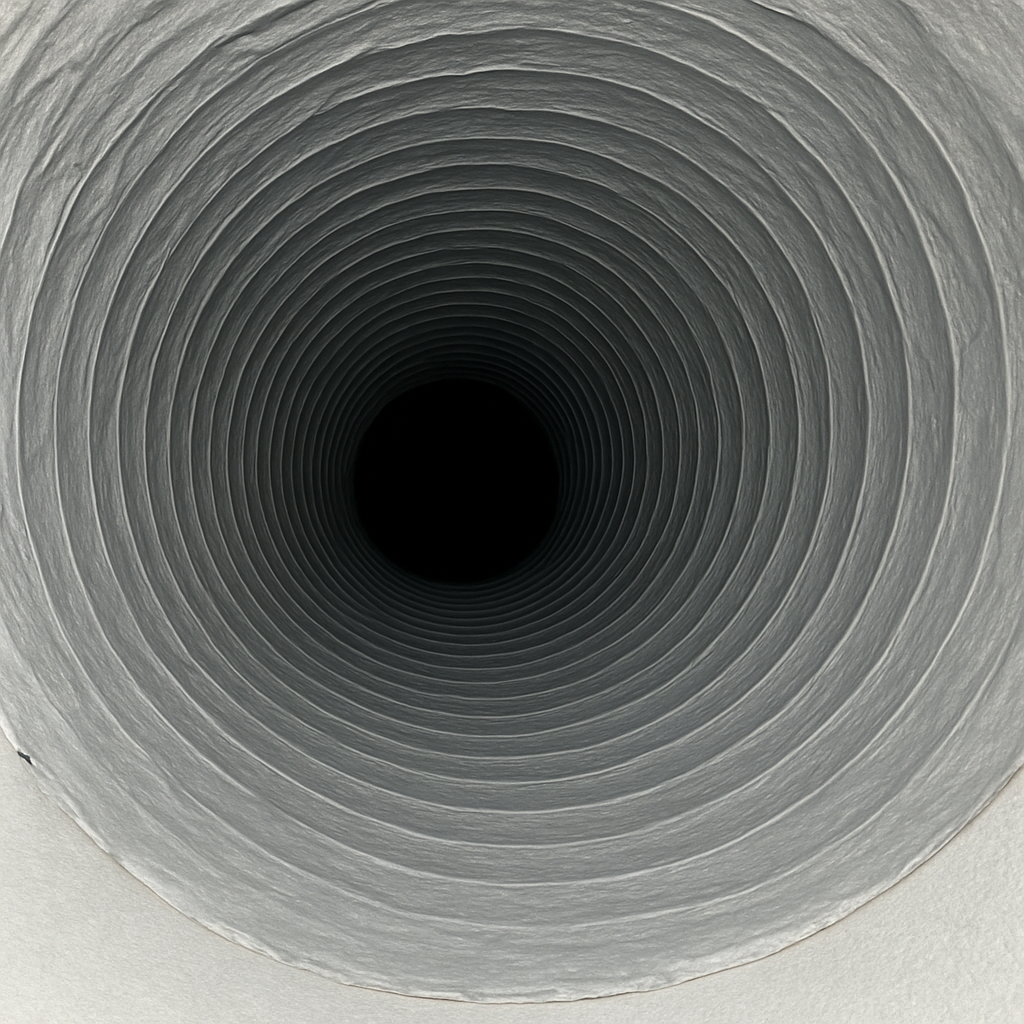
10 Proven Strategies for Better Indoor Air Quality
Indoor air quality directly impacts your health, comfort, and overall well-being. With Americans spending up to 90% of their time indoors, ensuring clean air in your home is more important than ever. Here are 10 proven strategies to improve your indoor air quality.
1. Professional Air Duct Cleaning
Your air ducts circulate air throughout your home, and over time, they accumulate dust, allergens, and contaminants. Professional cleaning removes these pollutants and improves airflow efficiency.
Benefits of Professional Duct Cleaning:
- Removes up to 99% of airborne contaminants
- Improves HVAC system efficiency
- Reduces allergy and asthma symptoms
- Eliminates musty odors
2. Regular Filter Replacement
HVAC air filters trap dust, pollen, and other particles. Replace them every 1-3 months to maintain optimal air quality and system performance.
Filter Selection Tips:
- Choose HEPA filters for maximum filtration
- Consider MERV ratings (8-13 for residential use)
- Replace more frequently if you have pets or allergies
3. Control Humidity Levels
Maintain indoor humidity between 30-50% to prevent mold growth and reduce dust mite populations.
Humidity Control Methods:
- Use dehumidifiers in damp areas
- Fix water leaks promptly
- Use exhaust fans in bathrooms and kitchens
- Consider whole-house humidification systems
4. Eliminate Indoor Pollutants
Identify and remove sources of indoor air pollution:
- Avoid smoking indoors
- Use natural cleaning products
- Limit use of air fresheners and candles
- Choose low-VOC furniture and building materials
5. Increase Ventilation
Proper ventilation helps remove indoor pollutants and bring in fresh air.
Ventilation Strategies:
- Open windows when weather permits
- Use kitchen and bathroom exhaust fans
- Consider energy recovery ventilators (ERVs)
- Install trickle vents in windows
6. Use Air Purifiers
Portable air purifiers can help remove specific pollutants from individual rooms.
Air Purifier Features to Consider:
- HEPA filtration
- Activated carbon filters
- UV-C light technology
- Appropriate room size coverage
7. Regular Cleaning and Dusting
Frequent cleaning reduces dust and allergen accumulation.
Effective Cleaning Practices:
- Use microfiber cloths for dusting
- Vacuum with HEPA filters
- Wash bedding weekly in hot water
- Clean carpets and upholstery regularly
8. Maintain Your HVAC System
Regular HVAC maintenance ensures optimal performance and air quality.
Maintenance Schedule:
- Professional inspection twice yearly
- Regular filter replacement
- Duct cleaning every 3-5 years
- Coil cleaning as needed
9. Monitor Air Quality
Use air quality monitors to track indoor air quality and identify potential issues.
Key Metrics to Monitor:
- Particulate matter (PM2.5, PM10)
- Volatile organic compounds (VOCs)
- Carbon dioxide levels
- Humidity levels
10. Professional Air Quality Assessment
Consider professional air quality testing to identify specific issues and develop targeted solutions.
Assessment Services Include:
- Mold testing and inspection
- Allergen testing
- VOC analysis
- Duct inspection and cleaning
Signs of Poor Indoor Air Quality
Watch for these indicators that your indoor air quality needs improvement:
- Persistent allergy symptoms
- Frequent headaches or fatigue
- Respiratory irritation
- Unpleasant odors
- Excessive dust accumulation
- Mold growth
Professional Air Quality Services
Pure Flow offers comprehensive air quality improvement services:
- Professional duct cleaning
- Air quality testing and assessment
- Mold inspection and remediation
- HVAC system optimization
- Customized air quality solutions
Invest in Your Health
Improving your indoor air quality is an investment in your health and well-being. Contact Pure Flow today to schedule a comprehensive air quality assessment and start breathing cleaner air tomorrow.